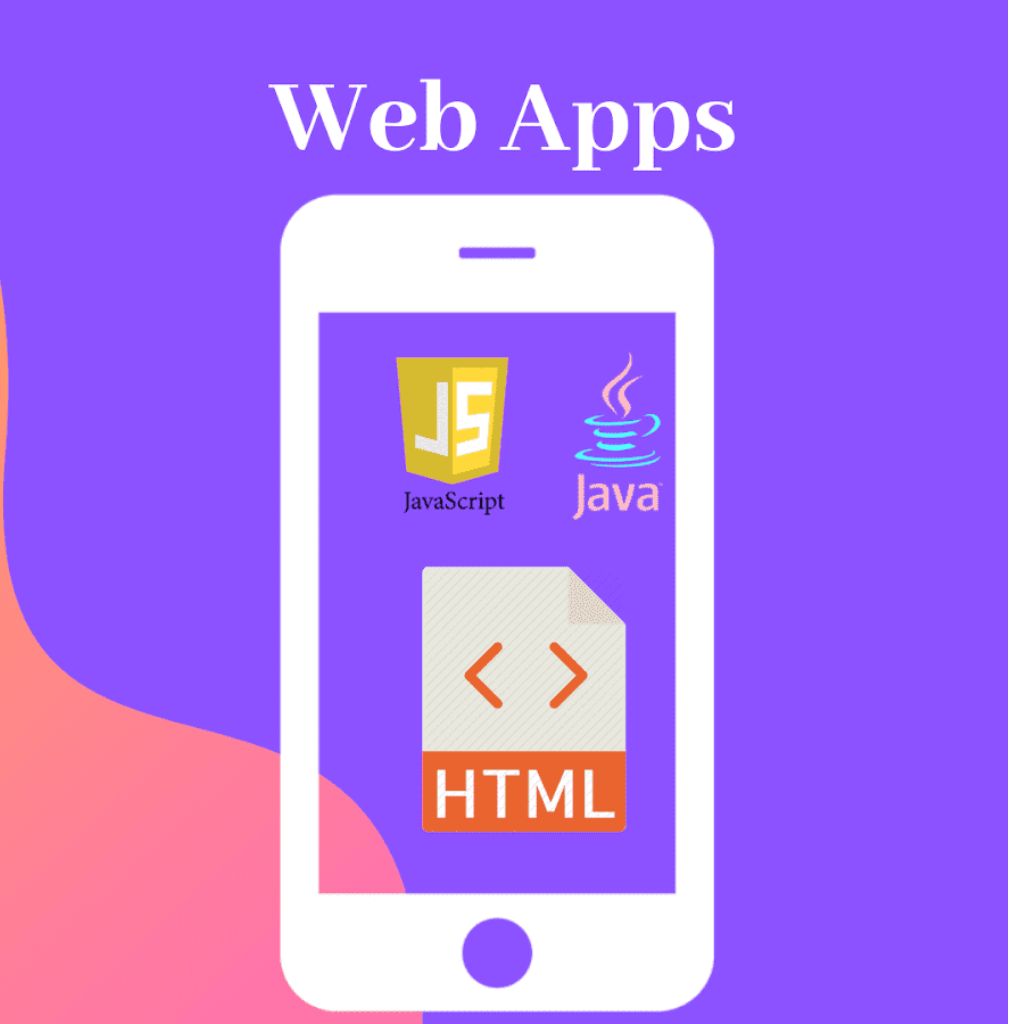
saras Consultancy specializes in developing custom web applications that cater to a wide range of business needs. Their services encompass designing and building scalable solutions using cutting-edge technologies such as HTML5, CSS3, JavaScript frameworks like React.js and Angular, and robust backend frameworks like Node.js, Python (Django), PHP (Laravel), and Ruby on Rails. Saras Consultancy prioritizes user-centric design principles to ensure intuitive interfaces and seamless user experiences across devices. They adopt agile methodologies to facilitate iterative development, ensuring flexibility and responsiveness to client feedback. With a strong focus on security, compliance, and ongoing support, Saras Consultancy delivers web applications that not only meet current business requirements but also scale and adapt to future needs effectively.
Skills and Expertise
- Core Competencies: List your key skills relevant to web application development, such as proficiency in HTML5, CSS3, JavaScript/TypeScript, front-end frameworks (e.g., React, Angular, Vue.js), back-end development (e.g., Node.js, Django, Ruby on Rails), API integration, database management, and responsive design.
- Services Offered: Describe the specific services you provide, such as custom web app development, UI/UX design, prototyping, testing and deployment, maintenance and support, and consulting for web strategy.
Portfolio Projects
- Project Overview: For each project, provide a brief summary including the app’s name, industry, and main functionalities.
- Challenges and Solutions: Discuss the challenges faced during the web app development process and how you overcame them. Highlight any unique features or functionalities specific to each project.
- Technologies Used: List the technologies, frameworks, libraries, and tools used in the web app development (e.g., React, Node.js, MongoDB, RESTful APIs, WebSocket for real-time features).
- Results and Impact: Showcase the outcomes achieved, such as improved user experience metrics, increased user engagement, business growth metrics (e.g., conversions, revenue), and any client testimonials or feedback.
Case Studies
- Detailed Analysis: Provide detailed case studies of select projects. Include information on initial client requirements, your approach to design and development, usability testing results, user feedback, and post-launch updates or optimizations.
- Client Testimonials: Include quotes and feedback from clients to add credibility and demonstrate your ability to deliver high-quality web applications that meet business objectives.
Visuals and Media
- App Screenshots and Videos: Include high-quality images/screenshots and demo videos showcasing key features and functionalities of the web apps you’ve developed.
- Interactive Demos: Provide links to live demos or direct access to the web applications for potential clients to explore and interact with.
Blog/Articles
- Industry Insights: Write articles or blog posts about web application development trends, best practices, case studies, and success stories. This demonstrates your expertise and thought leadership in the web app development field.
- Tutorials and Guides: Create content that educates others on web app development, such as tutorials on setting up environments, optimizing performance, implementing security measures, and integrating third-party services.
Contact Information
- Contact Details: Provide clear and easy-to-find contact information. Include an email address, phone number, and links to your social media profiles.
- Contact Form: Include a contact form for potential clients to reach out to you directly from your portfolio site.
Additional Sections (Optional)
- Awards and Recognition: Highlight any awards, certifications, or industry recognition received for your web application development work.
- Client Success Stories: Share specific success stories of how your web applications have contributed to the growth and success of your clients’ businesses.
- Partnerships and Collaborations: Mention any notable partnerships with web app platforms, tech companies, or agencies.
Sample Content Example for a Portfolio Project
Project: Taskify – Task Management Web Application
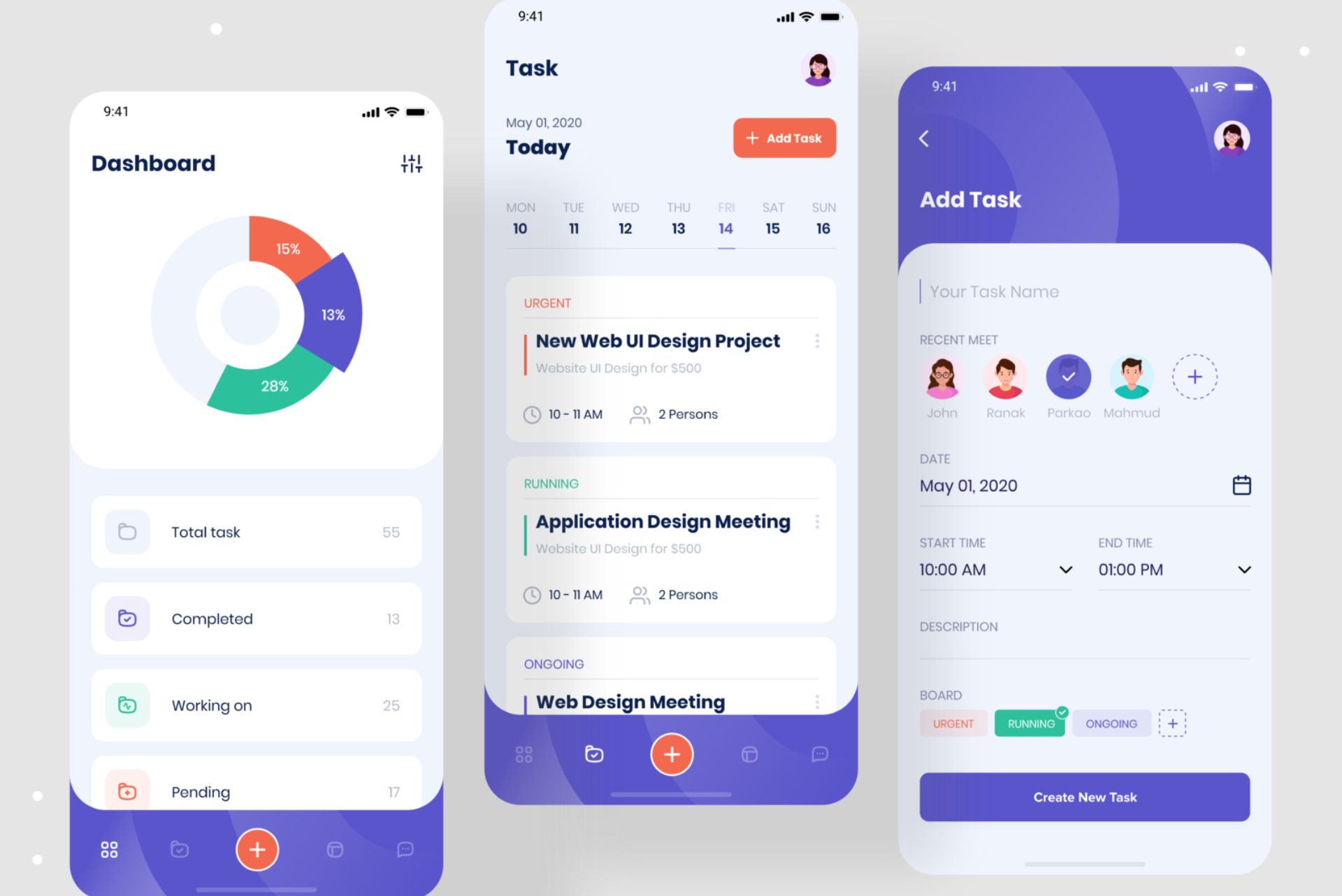
Industry: Productivity
Project Overview: Taskify is a task management web application designed to help teams organize tasks, collaborate, and track progress efficiently. It includes features such as task lists, Kanban boards, real-time updates, and user roles management.
Challenges and Solutions:
- Challenge: Building a responsive and intuitive user interface for complex task management workflows.
- Solution: Implemented a modern UI using React framework with drag-and-drop functionality and real-time updates using WebSocket.
- Challenge: Ensuring data security and privacy while allowing seamless collaboration among team members.
- Solution: Implemented role-based access control (RBAC) and encrypted data transmission to ensure secure collaboration.
Technologies Used:
- React framework for front-end development
- Node.js and Express for back-end development
- MongoDB for database management
- WebSocket for real-time updates
- JWT for authentication and authorization
Results and Impact:
- Improved Productivity: Increased team productivity by 40% through efficient task management and collaboration features.
- User Satisfaction: Achieved a user satisfaction rating of 4.9 out of 5 based on user feedback and usability testing.
- Client Feedback: “Taskify has transformed how our teams collaborate and manage tasks. The intuitive interface and real-time updates have made a significant impact on our workflow efficiency.” – Jane Doe, CTO of Taskify Solutions.